How to Keep Your Dog Calm with All the Christmas Chaos
How to Keep Your Dog Calm with All the Christmas Chaos
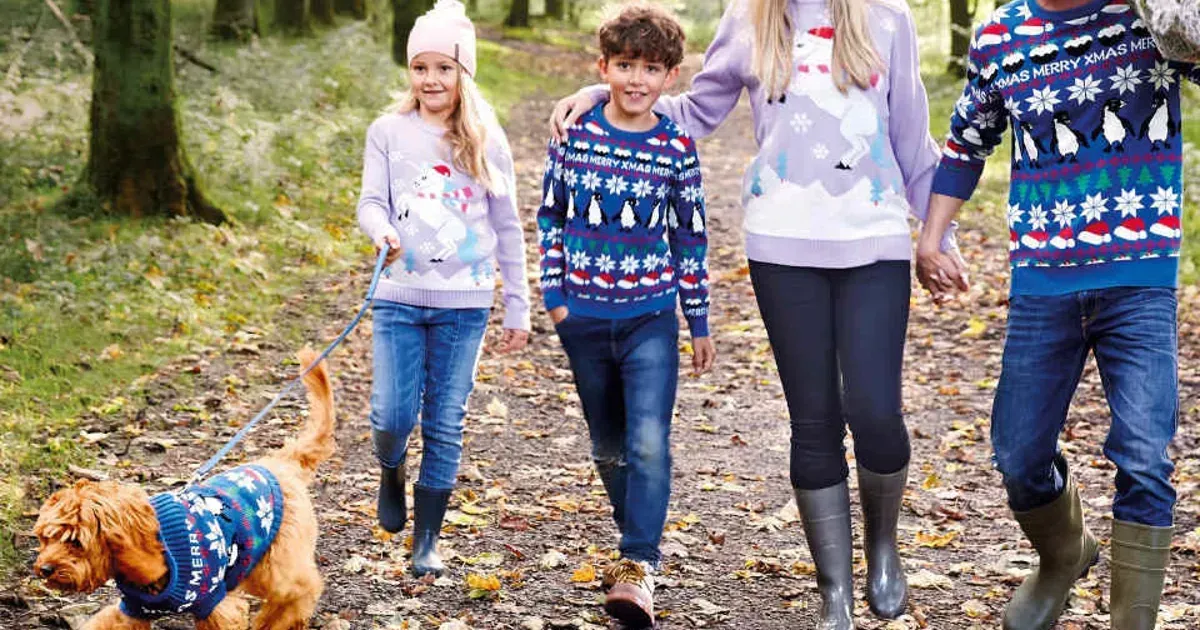
Christmas is a lovely time of year, family, friends, food, and celebrations. But for many dogs, it can be overwhelming and stressful. Changes in routine, visitors coming and going, noisy children, decorations, and late nights can all impact your dog’s behaviour and emotional wellbeing.
As a dog trainer, I see a spike in stress‑related behaviours every festive season. The good news? With a bit of planning, you can help your dog feel calm, safe, and settled while still enjoying Christmas.
1. Stick to a Routine (As Much as Possible)
Dogs thrive on predictability. During Christmas, routines often go out the window, but even small efforts help.
Try to keep consistent:
- Walk times
- Feeding times
- Bedtime routines
If your schedule changes, aim to keep one or two anchors the same each day. This gives your dog a sense of stability in an otherwise busy environment.
2. Give Your Dog a Safe, Quiet Space
Visitors, doorbells, music, and excited children can be a lot for dogs.
Create a calm retreat area where your dog can relax undisturbed:
- A crate (if your dog is crate‑trained)
- A quiet room with a comfy bed
- Background white noise or calming music
Make sure guests, especially children, understand that this space is off‑limits.
3. Manage Visitors & Excitement
Well‑meaning guests often want to greet, fuss, or hug your dog, which can increase stress.
Helpful tips:
- Allow your dog to approach guests in their own time
- Avoid forced interactions
- Ask visitors to ignore your dog initially
- Keep greetings calm and low‑key
For dogs who struggle, using leads, baby gates, or short breaks away from guests can make a huge difference.
4. Provide Mental Stimulation
Mental exercise is just as important as physical exercise, especially when walks are shorter or weather‑dependent.
Great festive enrichment ideas:
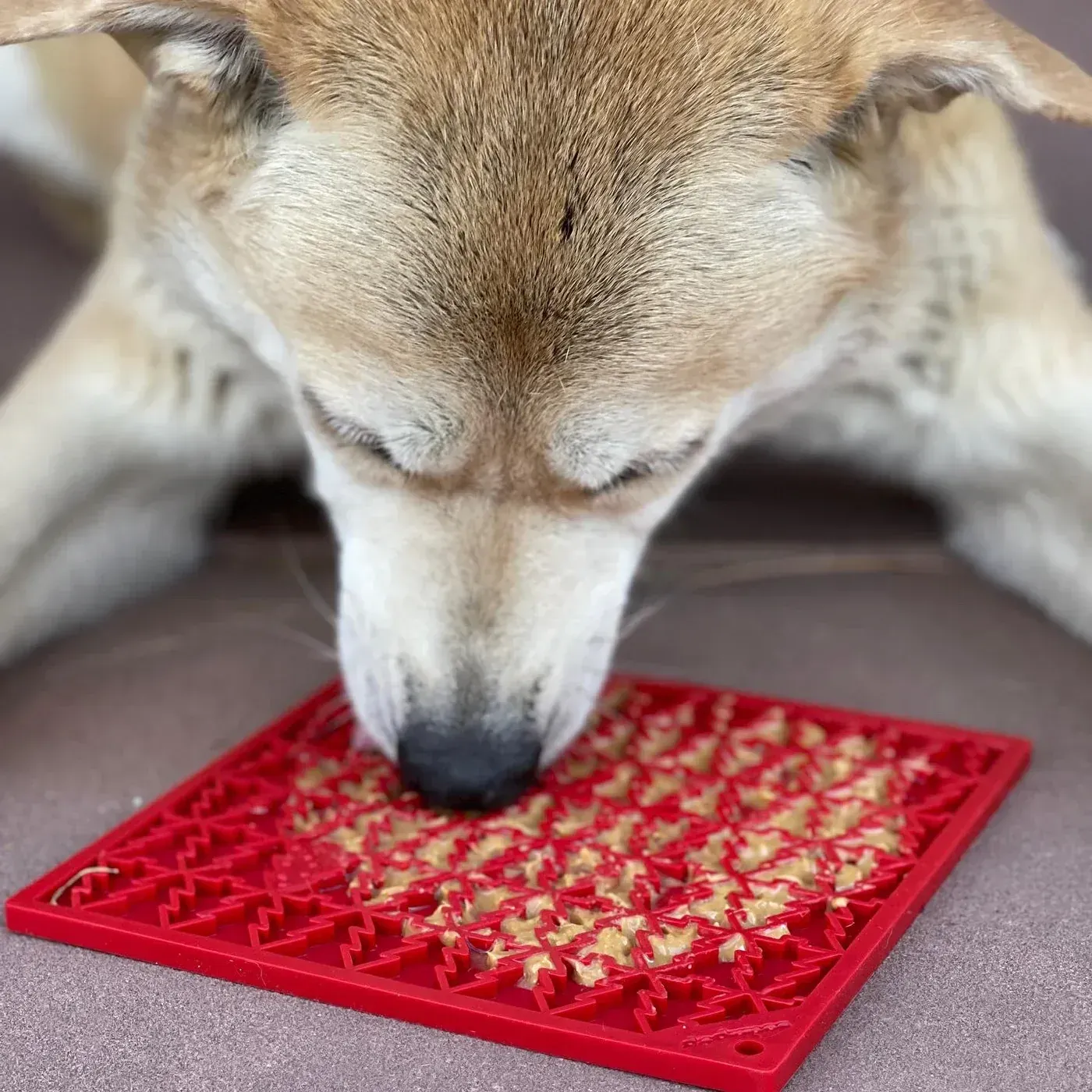
- Stuffed Kongs or lick mats
- Snuffle mats or scatter feeding
- Food puzzles
- Short, fun training sessions (5–10 minutes)
Licking, sniffing, and problem‑solving all help reduce stress and promote calm behaviour.
5. Keep Walks Calm & Purposeful
Christmas walks can be busier than usual, with more people, dogs, and distractions.
Choose quieter routes where possible and focus on:
- Sniffing opportunities
- Loose‑lead walking
- Calm engagement rather than distance
A relaxed 20‑minute sniff walk can be far more settling than a long, overstimulating one.
6. Watch for Signs of Stress
Dogs don’t always show stress in obvious ways.
Common stress signals include:
- Yawning or lip‑licking
- Pacing or restlessness
- Hiding or avoiding people
- Excessive barking
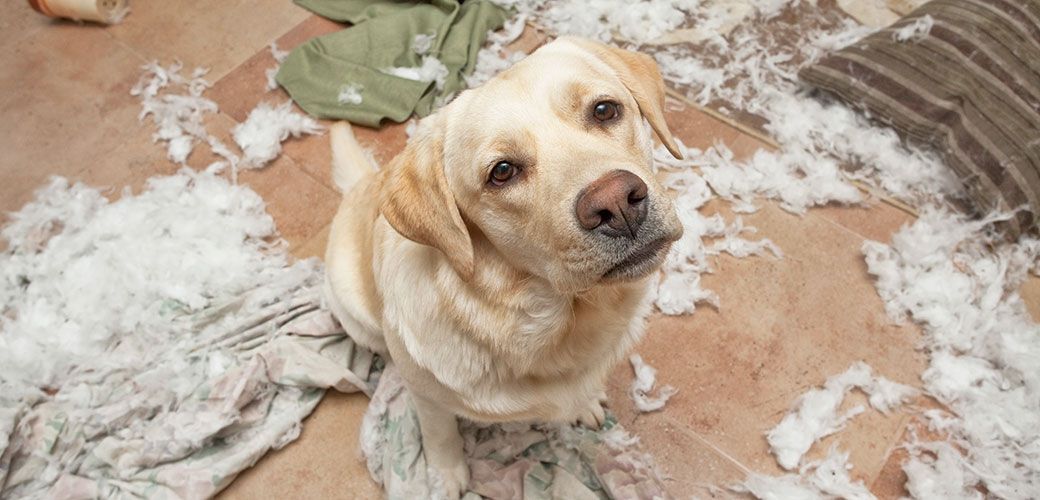
- Destructive behaviour
If you notice these signs, reduce stimulation and give your dog space and downtime.
7. Don’t Forget Downtime
With all the excitement, dogs can easily become overtired, just like children.
Make sure your dog has:
- Plenty of sleep
- Calm periods during the day
- Time away from guests and noise
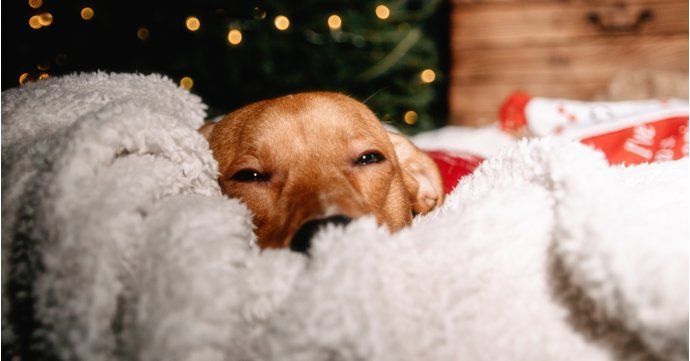
A well‑rested dog is far more able to cope with festive chaos.
Final Thoughts
Christmas doesn’t have to be stressful for your dog. By maintaining routines, managing the environment, and meeting your dog’s emotional needs, you can help them feel safe and relaxed, and enjoy the festive season together.
If you’re worried about your dog’s behaviour during the holidays or would like personalised support, feel free to get in touch. A calm Christmas is possible, for both you and your dog