Why Is My Puppy Biting Me? Understanding Puppy Biting and What You Can Do About It

K9X Dog Training • 14 June 2026

If you have recently brought home a puppy and suddenly feel like you are living with a tiny shark, you are not alone.
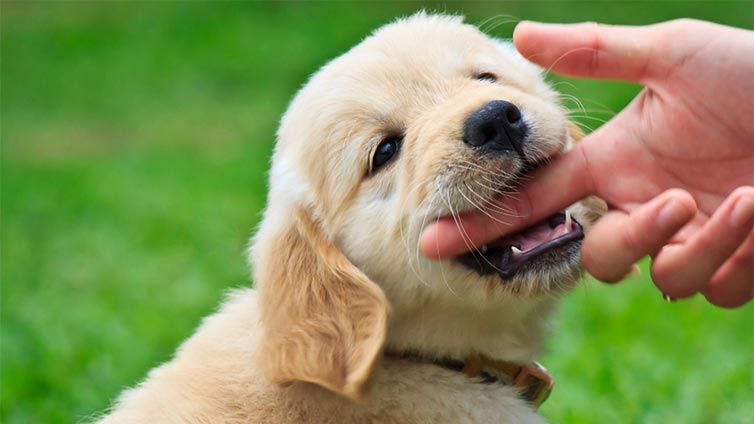
“Why is my puppy biting me all the time?”

The good news is that in most cases, puppy biting is completely normal. However, that does not mean it should simply be ignored. Understanding why your puppy is biting is the first step in teaching them more appropriate ways to interact with the world around them.

Why Do Puppies Bite?

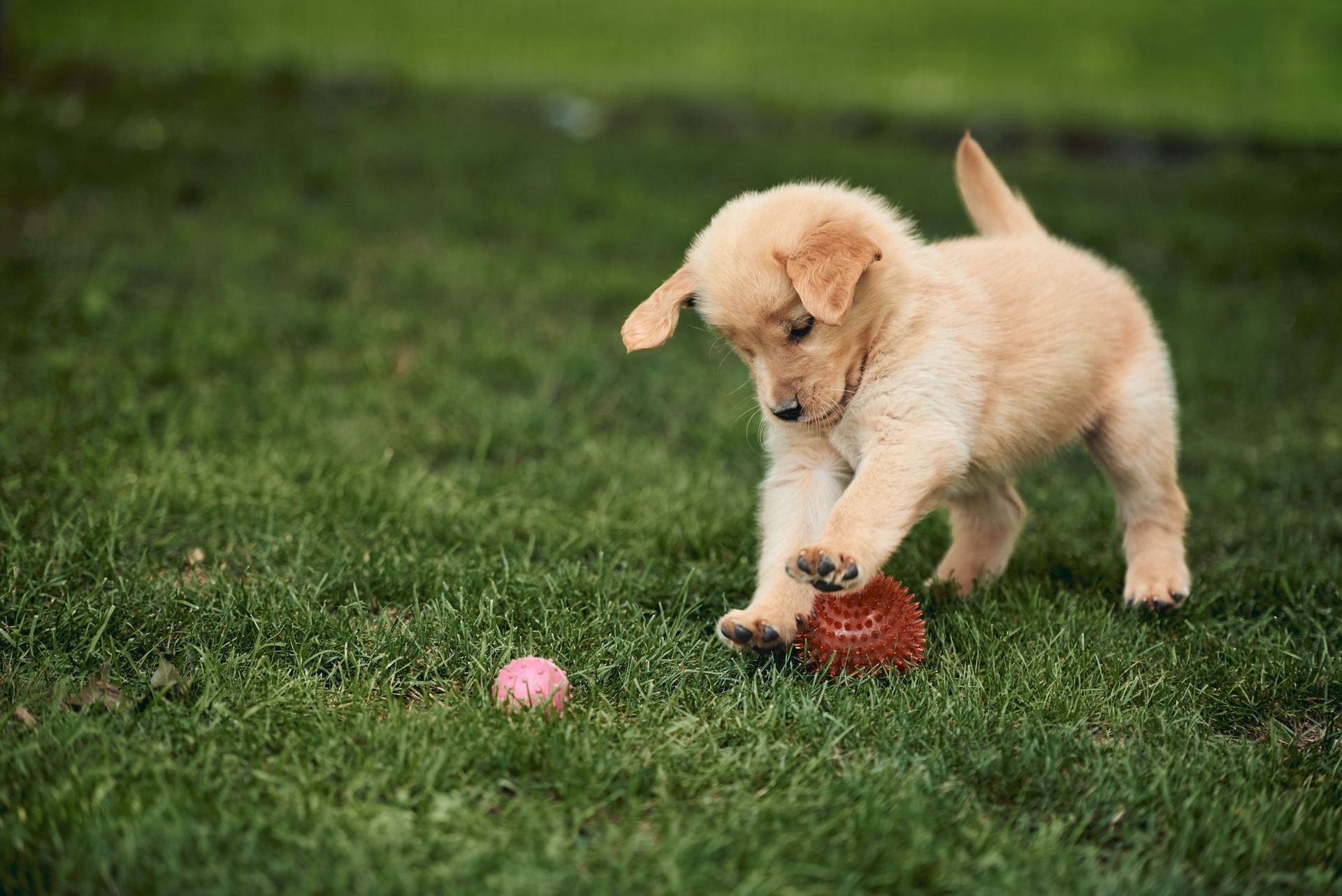
Puppies use their mouths to explore the world, much like human babies use their hands. Biting, chewing and mouthing are natural puppy behaviours, but there are several reasons why it may feel excessive.

1. Teething Pain

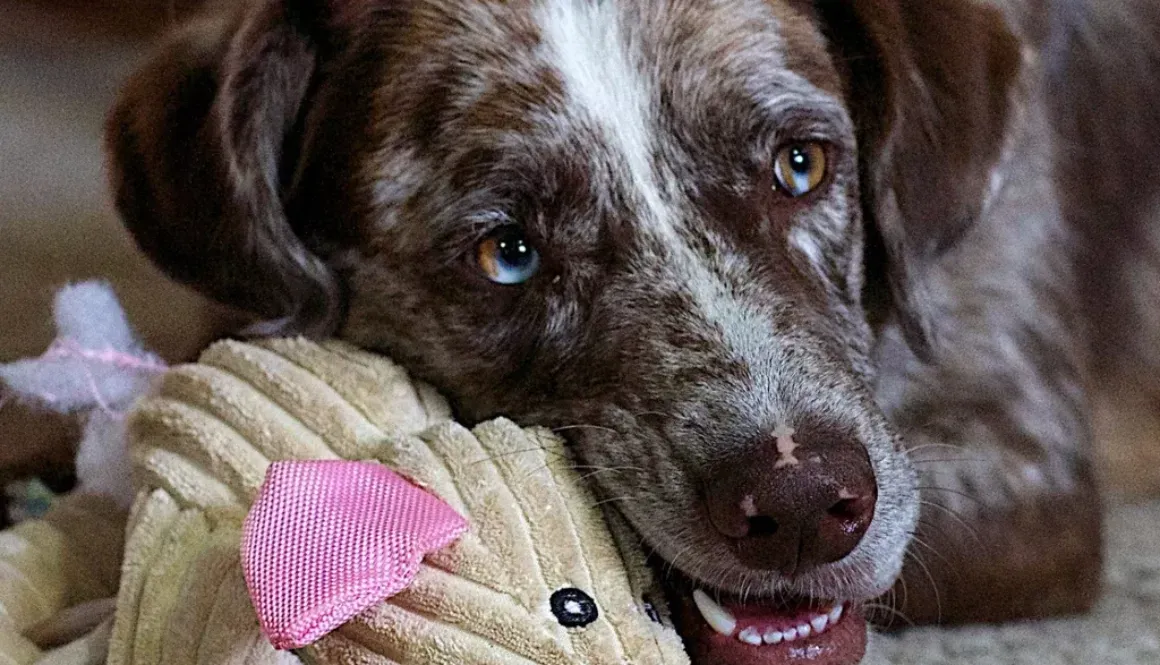
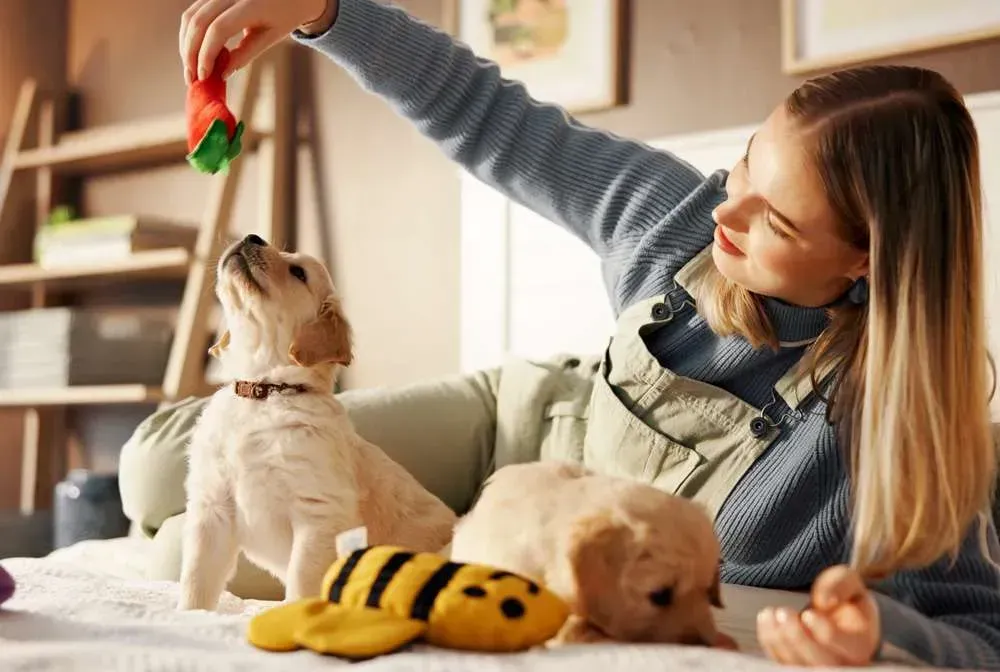
Just like babies, puppies go through teething. This can make their gums sore and uncomfortable, causing them to chew and bite more often for relief.

You may notice your puppy becoming more “mouthy” between 3–6 months of age.

What can help?

  • Puppy-safe chew toys
  • Frozen carrots (under supervision)
  • Frozen puppy teething toys
  • Appropriate long-lasting chews

Giving your puppy legal outlets for chewing can make a huge difference.

2. Overstimulation (“The Crazy Hour”)

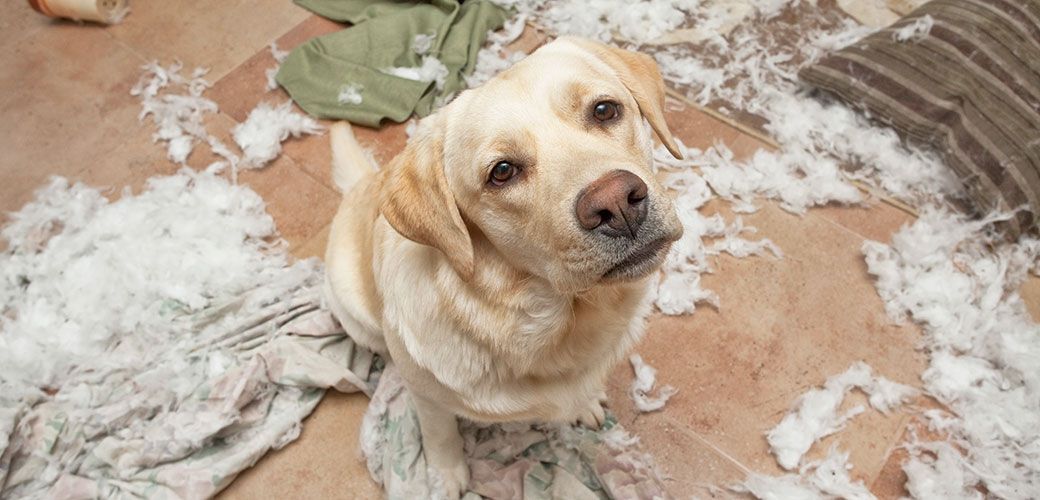
Have you ever noticed your puppy suddenly becoming wild in the evening? Running around, grabbing clothes, jumping and biting hands?

This is often not bad behaviour, it is overstimulation.

Many puppies become bitey when they are:

  • Over tired
  • Over excited
  • Frustrated
  • Mentally overloaded

Sometimes owners accidentally make this worse by continuing play when the puppy actually needs rest.

A tired puppy is not always a calm puppy.

In fact, overtired puppies often behave like overexcited toddlers.

3. Play Behaviour

Puppies naturally play with their mouths. When playing with littermates, they learn important social skills, including bite inhibition (learning how hard is too hard).

The problem is that human skin is much more sensitive than another puppy’s fur.

If your puppy is constantly grabbing hands, sleeves or ankles, they may simply think this is part of the game.

4. Lack of Sleep

This surprises many owners, but puppies need a huge amount of sleep, often between 16–20 hours a day.

An overtired puppy often becomes:

  • More bitey
  • More hyper
  • Less responsive
  • Easily frustrated

Sometimes improving a puppy’s sleep routine can reduce biting dramatically.
What Should You Avoid?

Many owners understandably become frustrated and try things they have seen online or been told by others.

However, certain methods can accidentally make biting worse.

Avoid:

❌ Shouting at your puppy
❌ Holding their mouth shut
❌ Punishment-based methods
❌ Rough play that encourages biting
❌ Constantly pushing them away with your hands

Why?

Because attention, even negative attention, can sometimes reinforce the behaviour. In some puppies, punishment can also create frustration or anxiety.

What Actually Helps?

Redirect to Something Appropriate

If your puppy starts biting your hands or clothes, calmly redirect them onto a toy or suitable chew.

The goal is not to stop chewing completely, it is to teach what is appropriate to chew.

Build Calmness Into the Day

Many owners unintentionally keep puppies constantly stimulated.

Instead, try balancing:

  • Short training sessions
  • Mental enrichment
  • Calm rest periods
  • Structured play

Sometimes less is more.

Reward Calm Behaviour

Owners often focus attention on unwanted behaviour but forget to reward the good moments.

If your puppy settles calmly, lies down quietly or chooses a toy instead of your hands, acknowledge it.

Calm behaviour deserves reinforcement too.

Manage the Environment

If your puppy repeatedly grabs clothing, avoid loose sleeves or trailing dressing gowns during this stage.

Management is not failure, it is smart training.

When Is Puppy Biting NOT Normal?

While puppy biting is usually normal, there are times where extra support may be needed.

You may benefit from professional guidance if:

  • The biting is escalating significantly
  • Your puppy seems unusually frustrated
  • There is growling around handling or resources
  • Children are becoming frightened
  • You feel overwhelmed or worried

Early training can prevent small issues becoming bigger habits later on.

Final Thoughts

If your puppy is biting you, take reassurance in knowing that you are not alone, and in most cases, it does improve with the right guidance and consistency.

Remember: your puppy is not trying to be naughty or dominant.

They are learning.

The key is helping them understand what behaviours work, while giving them appropriate outlets for chewing, play and rest.

With patience, structure and the right training approach, that tiny shark phase does pass!

If you are struggling with puppy biting or other puppy behaviours, feel free to get in touch. Early guidance can make life much easier for both you and your puppy.
by Hafez Mahjoob 27 May 2026
Everything dog owners need to know about staying safe during hot weather, from avoiding dangerous walks to keeping dogs calm, cool, and occupied.
by Hafez Mahjoob 18 December 2025
How to Keep Your Dog Calm with All the Christmas Chaos
by H.Mahjoob 4 August 2025
Welcoming a new baby into your family is such an exciting milestone, but for your dog, it's a major change, too. Careful preparation, delivered gradually and thoughtfully, can help your dog adjust smoothly and keep your new baby safe, comfortable, and happy.

by H.Mahjoob 23 July 2025
Surviving the Puppy Phase: How to Cope When Your New Pup Is Testing Your Patience
by H.Mahjoob 20 June 2025
Summer & UTIs in Dogs: What Every Dog Owner Should Know As the sun shines brighter and the days grow longer, summer can be a joyful time for both humans and dogs. But just like heatstroke or dehydration, urinary tract infections (UTIs) are another hot-weather health concern dog owners need to be aware of. In this blog, we’ll cover: What UTIs are in dogs Why they’re more common in the summer Common signs to look out for How to prevent them What to do if your dog gets one What Is a UTI in Dogs? A urinary tract infection (UTI) occurs when bacteria enter your dog’s urinary system—most often the bladder or urethra. This can lead to inflammation, discomfort, and more serious issues if left untreated. While UTIs can happen year-round, summer increases the risk due to several factors such as: Less frequent urination (due to longer outdoor times or being left inside longer) Dehydration Higher bacterial growth in warm environments Why Summer Can Be a Risky Time Just like us, dogs can get dehydrated in the heat. Less water means less frequent urination, and that allows bacteria to linger in the bladder longer. Combine that with the increased time spent outdoors, rolling in grass, swimming in lakes or ponds, or simply getting dirtier—it creates a perfect storm for a potential UTI. Common Signs of a UTI in Dogs Keep an eye out for: Frequent urination or attempts to urinate with little output Accidents in the house (even for fully toilet-trained dogs) Straining or whimpering while peeing Blood in the urine (may appear pinkish) Strong-smelling urine Licking around the genital area Lethargy or seeming “off” If you notice any of these symptoms , it’s best to book a vet appointment right away. UTIs can become painful and may lead to more serious complications like bladder or kidney infections. Prevention Tips for Hot Weather You can do a lot to reduce the risk of summer UTIs with a few simple habits: 1. Keep Your Dog Hydrated Ensure fresh water is always available. Add wet food or a splash of water to meals if your dog isn’t drinking enough. 2. Encourage Frequent Bathroom Breaks Let your dog out regularly to prevent bacteria from building up in the bladder. Avoid holding urine for long periods. 3. Maintain Hygiene After Outdoor Activities Gently clean the genital area after swimming, rolling in mud, or exploring underbrush. A quick wipe with a damp cloth can help reduce bacteria. 4. Support a Healthy Immune System A balanced diet, probiotics, and regular vet check-ups help your dog stay healthy overall. Some natural supplements (like cranberry extract) may also help maintain urinary health—speak to your vet first. What to Do if Your Dog Gets a UTI If you suspect your dog has a UTI: Visit your vet . They’ll likely run a urine test to confirm the diagnosis. If confirmed, a course of antibiotics is typically prescribed. Follow all treatment instructions carefully, and make sure your dog finishes the full course. Keep your dog hydrated and encourage more potty breaks during recovery. Final Thoughts UTIs are uncomfortable but treatable, and in most cases, preventable with good hydration and hygiene , especially during the warmer months. A little extra care during the summer can go a long way in keeping your dog healthy, happy, and infection-free. If your dog is prone to UTIs or has had one before, speak to your vet about long-term management options. Prevention really is the best medicine—especially in the heat!
by H.Mahjoob 6 May 2025
Summer Heat and Dog Walking: What Every Dog Owner Needs to Know Summer can be a great time to enjoy longer days and more outdoor adventures with your dog—but it also brings risks that every responsible dog owner should be aware of. High temperatures can be dangerous for dogs, especially during walks and playtime. In this blog, we’ll explore how to exercise your dog safely in the heat , what signs of overheating to look for, and practical tips to keep your dog cool and comfortable. 🐾 Why Heat Can Be Dangerous for Dogs Unlike humans, dogs don’t sweat through their skin. Instead, they regulate body temperature primarily through panting and a small amount of sweating through their paw pads. In hot weather, this can be inefficient , leading to overheating or even heatstroke , which can be life-threatening. Brachycephalic breeds (like Bulldogs, Pugs, and Boxers), elderly dogs, puppies, and overweight dogs are at higher risk in hot weather. ✅ Best Practices for Walking Dogs in Summer 🌅 1. Walk Early or Late Aim for walks before 9 AM or after 6 PM when the temperature is cooler. Avoid walking during the midday sun (roughly 11 AM to 4 PM), especially on hot days. 🦶 2. Check the Pavement Asphalt and pavements can burn your dog’s paws. A quick test: place the back of your hand on the ground for 7 seconds —if it’s too hot for you, it’s too hot for your dog. Opt for shaded grassy areas or woodland walks if possible. 💧 3. Hydration is Key Bring water and a portable dog bowl with you. Encourage short water breaks, especially after play or long walks. 🐕‍🦺 4. Shorten Walks & Monitor Activity Keep walks short and slow in high temperatures. Mental stimulation (e.g., sniffing or puzzle toys) can be a good substitute for long exercise. Watch for signs of fatigue or overheating: excessive panting, drooling, lethargy, stumbling , or vomiting. ❌ What to Avoid Never leave your dog in a car : Even with windows cracked, temperatures can become deadly within minutes. Avoid high-energy play during the heat of the day (fetch, running off-lead, etc.). Don’t shave double-coated dogs : Their coat helps regulate temperature; instead, groom regularly to remove loose hair. 🧊 Cool-Down Tips Frozen treats : Try making dog-friendly ice lollies with water, peanut butter, or dog-safe fruit like blueberries. Cooling mats or vests : These help absorb body heat and keep your dog comfortable after a walk. Paddling pools or hose play (if your dog enjoys it) can be a fun way to cool off. Indoor training games : On very hot days, skip the walk and do 10–15 minutes of enrichment indoors. 🚨 Signs of Heatstroke in Dogs (Act Immediately) If you notice any of the following, contact your vet immediately: Heavy, laboured panting Bright red gums or tongue Glazed eyes Rapid heart rate Vomiting or diarrhoea Weakness, collapse, or seizures Cool your dog with tepid water (not cold), offer small sips of water, and get to a vet urgently. 🐶 Summer Exercise Alternatives When it’s just too hot to go out, try: Scent games : Hide treats around the house for a mental workout. Interactive toys or puzzle feeders Basic training refreshers indoors—great for focus and bonding.  ☀️ In Summary Enjoying summer with your dog is all about timing, preparation, and awareness . Adjust your routines, listen to your dog, and prioritise safety over exercise. By following the tips above, you'll keep your dog cool, healthy, and happy all summer long.
by H.Mahjoob 9 February 2025
What is Resource Guarding?
by H.Mahjoob 7 February 2025
How to Help a Dog with Separation Anxiety
by H.Mahjoob 7 February 2025
How to Train Your Dog to Walk Nicely on a Leash
by H.Mahjoob 22 January 2025
Why Mental Stimulation Matters?